Dental bonding is available at our Melbourne CBD clinic. The procedure uses tooth-coloured composite resin to repair chips, close small gaps, or alter uneven edges with minimal tooth preparation. A consultation is needed to assess whether dental bonding is suitable for your situation and to explain the process, costs, and risks involved.
You can book an online consultation or call (03) 9042 0483.
Results vary from person to person. To read more on treatment risks and considerations, please see here.








Dental bonding in Melbourne costs around $750 per tooth, but the price can vary depending on the severity of your case and if any additional dental work is required. Dental bonding works well on healthy teeth with minimal gum disease and decay. If you do have evidence of decay, we can treat this first before dental bonding is applied, but this will come at an additional cost.
We have outlined the starting costs of dental bonding and similar treatment options to help you compare your options. The breakdown shows the starting price per tooth and what is included with each option.
Treatment | Price | What's included |
Dental bonding | $750 per tooth* | Composite resin applied to the tooth to alter its shape or fill chips and gaps |
Porcelain veneers | $2,000 per tooth (a typical treatment of 4–8 teeth costs approximately $8,000–$16,000)* | Custom-made porcelain shells bonded to the front of the tooth. Requires preparation of the natural tooth surface |
Composite veneers | $850 per tooth (a typical treatment of 4–8 teeth costs approximately $3,400–$6,800)* | Tooth-coloured resin applied directly to the tooth surface, usually completed in one to two visits |
Hybrid veneers | $999 per tooth (a typical treatment of 4–8 teeth costs approximately $3,996–$7,992)* | Veneers made with a blend of resin and porcelain materials |
Gum recontouring | $150 per tooth* | Reshaping of the gum line. Involves cutting gum tissue, which carries risks including infection and sensitivity |
*Additional costs may apply for consultations, imaging, and follow-up appointments. The final cost depends on your individual treatment plan. A consultation is required to confirm pricing.
Get a comprehensive breakdown of Dental Bonding prices.
Payment plan options are available to spread the cost of dental bonding treatment. Interest-free plans are available. See below for details.
Our interest-free payment plans are flexible, with simple terms and easy management options. Details of our interest-free payment plans for dental bonding include:
You can learn more about the eligibility of our payment plans and the options here, or you can speak to us directly by booking a consultation appointment with one of our dentists.
The dental bonding procedure can often be completed in a single appointment. The process may vary slightly from person to person. Below is an overview of the steps involved:
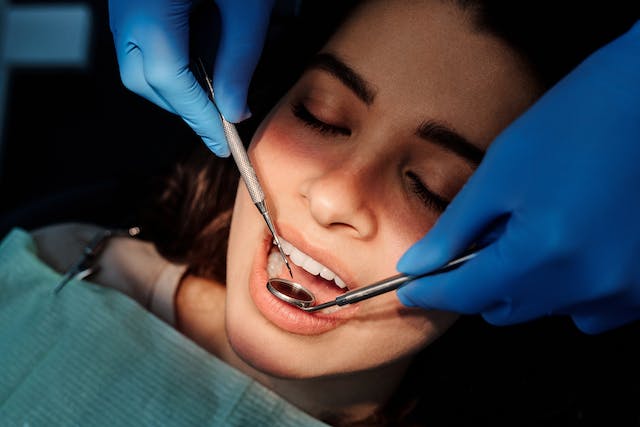


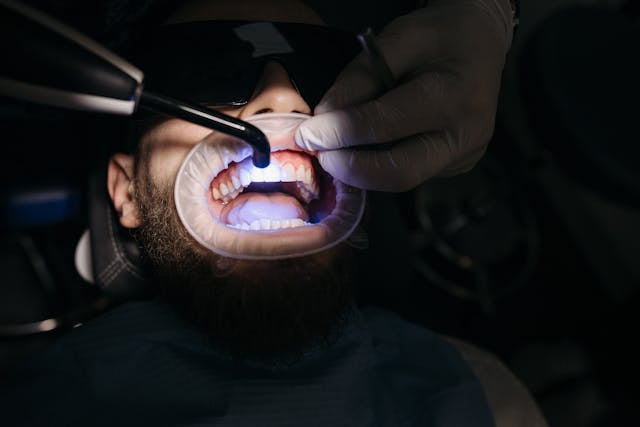





Dental bonding uses a tooth coloured composite resin that can restore damaged teeth, covering cracks, gaps, chips, and other cosmetic concerns. The resin is made from finely ground glass and plastic resins, which help to mimic the appearance of natural teeth for a seamless finish. Dental bonding is a popular choice if you are looking for an affordable alternative to veneers, without worrying about the procedure being irreversible. You can book an appointment with one of our dentists to learn more about our dental bonding treatment and whether it's right for you.
Dental bonding is typically used to address minor cosmetic dental concerns, including chipped teeth, discolouration, uneven teeth, and small gaps. The resin can also be shaped to alter the appearance of shorter teeth. It may also be used in cases of minor decay. Suitability depends on individual factors — a clinical assessment is needed to determine whether bonding is appropriate for you.
Dental bonding at our clinic starts from $750 per tooth.* The cost varies depending on the number of teeth treated, any dental work needed beforehand, and the amount of bonding required. A consultation is needed to provide an accurate cost based on your individual treatment plan.
*Additional costs may apply. The final cost depends on your individual treatment plan.
Dental bonding can last up to five years before the composite bonding starts to degrade. Over time, dental bonding becomes susceptible to staining and chipping and will need to be replaced. Your dentist will remove and replace the bonding material and composite bonding. As soon as you notice issues with your dental bonding, book a consultation with your dentist to have your bonding replaced.
Dental bonding is a minimally invasive procedure. Some patients experience mild pressure when the resin is applied and shaped. If you have sensitive teeth, local anaesthetic is available.
Some patients may experience temporary sensitivity to hot and cold foods and drinks after the treatment. This typically subsides within a few days. Your practitioner will explain what to expect before, during, and after treatment.
Dental bonding cannot be whitened after placement, as composite resin is a non-porous material. If you are considering whitening, this should be done before the bonding is applied so the resin shade can be matched to the whitened teeth. See our teeth whitening page for more information. Whitening results vary from person to person and are not permanent.
The material and longevity are the biggest differences between dental bonding and veneers. Dental bonding is made from a thin composite, which is added directly to your teeth and shaped to fill any gaps and change the appearance of your smile. Veneers are ultra-thin custom porcelain shells that are fitted to the front of your teeth. Veneers can last for ten years or longer, while composite bonding typically lasts for three to five years before needing to be replaced.
If you can't decide between composite bonding and veneers, we recommend booking a consultation appointment to discuss your options and have questions answered by a dental expert.
In most cases, dental bonding can be repaired if it chips, usually in one dental visit. Small chips can easily be repaired, using some composite bonding to fill the chip and shape it to match the rest of your teeth. In extreme cases, where the chip is quite large, your composite bonding might need to be removed and replaced. Your dentist will advise on the best treatment to fix the chip, so be sure to book a consultation if you have dental bonding chips.
To be a good candidate for dental bonding, you will need to have good oral health without any decay or gum disease. The treatment is best for addressing minor cosmetic issues, including small cracks, chips, gaps, or discolouration. At a consultation, your dentist will discuss your needs and oral health to determine if dental bonding is the right choice for you. They will also consider the tooth's size and location and the damage's severity to determine if dental bonding is right for you.
Medicare will only cover the cost of dental bonding if it is deemed medically necessary, like in cases of accident, injury, or emergencies. In other cases, you will need to pay for the dental bonding yourself. In some cases, your Medicare plan might offer some coverage if you have an Advantage plan that includes dental insurance. You will need to check your plan to see what is covered before moving forward with your treatment.

All dental treatment carries risks. The treatments described on this site may not be appropriate for your oral health. A full consultation with an AHPRA-registered dental professional is required before confirming suitability for any procedure. Individual results vary. For information about treatment risks, please visit our treatment risks page.