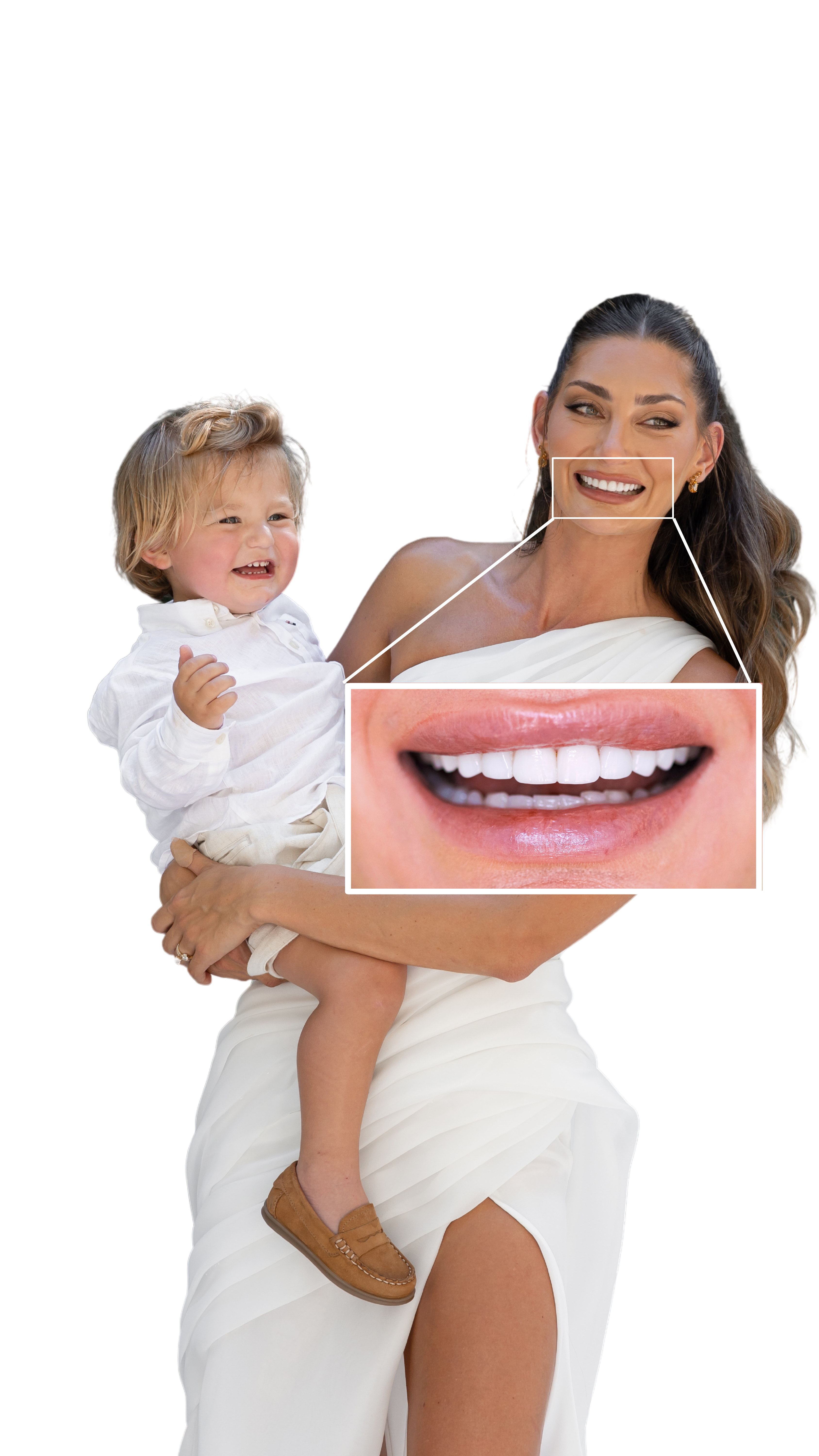
No-prep veneers are available at our Melbourne CBD clinic. These are ultra-thin porcelain veneers that are bonded to the front of the teeth with little to no enamel removal. A consultation is needed to assess whether no-prep veneers are suitable for your situation and to explain the process, costs, and risks involved.
You can book an online consultation or call (03) 9042 0483.
Results vary from person to person. To read more on treatment risks and considerations, please see here.


Treatment | Price | What's included |
No-prep veneers | $800 per tooth (a typical treatment of 4–8 teeth costs approximately $3,200–$6,400)* | Ultra-thin porcelain veneers that require little to no removal of natural tooth enamel |
Composite veneers | $750 per tooth (a typical treatment of 4–8 teeth costs approximately $3,000–$6,000)* | Tooth-coloured resin applied directly to the tooth surface, usually completed in one to two visits |
Porcelain veneers | $2,000 per tooth (a typical treatment of 4–8 teeth costs approximately $8,000–$16,000)* | Custom-made porcelain shells bonded to the front of the tooth. Requires preparation of the natural tooth surface |
Hybrid veneers | $999 per tooth (a typical treatment of 4–8 teeth costs approximately $3,996–$7,992)* | Veneers made with a blend of resin and porcelain materials |
Dental bonding | $750 per tooth* | Composite resin applied to the tooth to alter its shape or fill chips and gaps |
Gum recontouring | $150 per tooth* | Reshaping of the gum line. Involves cutting gum tissue, which carries risks including infection and sensitivity |
*Additional costs may apply for consultations, imaging, temporary restorations, and follow-up appointments. The final cost depends on your individual treatment plan. A consultation is required to confirm pricing.
Get a comprehensive breakdown of Veneer prices.
The cost of no-prep veneers can be off-putting for some patients, and this is why we offer several payment plans that help you spread the cost. We offer interest-free payment plans to save you from any unexpected costs and ensure that you can get the treatment you want. We have the key details you need to know about these plans below:
We offer flexible and interest-free dental payment plans that provide flexibility and easy management options. The details of our interest-free payment plans for no-prep veneers include:
We have more information on the plans available to you and the eligibility criteria on our payment plan page to help you see which option is right for you. You can also book a consultation appointment to discuss your no-prep veneers and payment options in person.
Our no-prep veneer procedure is simple and can be completed in just one dental visit! We start with a consultation before moving on to impressions and fitting your new veneers, with a breakdown of what to expect below:


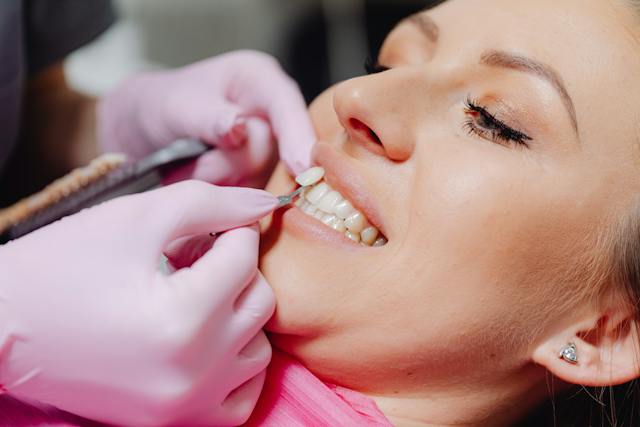
No-prep veneers are ultra-thin, porcelain veneers that can be added to your teeth with minimal prep work. Unlike traditional veneers, your enamel does not need to be filed down, and the no-prep veneers are added to the front of your teeth. Your enamel and natural tooth structure are preserved, allowing you to add and remove the veneers as you see fit. You can book a consultation appointment with us to learn more about the treatment and whether no-prep veneers are right for you.
No-prep veneers require little to no enamel removal and can often be placed in fewer visits than traditional porcelain veneers. Because less tooth structure is altered, the procedure may be reversible in some cases.
No-prep veneers are thinner and less durable than traditional porcelain veneers, which means they may be more prone to chipping or debonding. Cost varies depending on the brand and material used. Your practitioner will explain the trade-offs during your consultation.
No-prep veneers may be used to alter the appearance of teeth that have mild chips, moderate spacing, discolouration, or are smaller than adjacent teeth. They change the visible surface of the tooth — they do not correct the underlying tooth structure or position.
Suitability depends on individual factors. A clinical assessment is needed to determine whether no-prep veneers are appropriate for you.
No-prep veneers typically last 5 to 7 years, though lifespan varies depending on the brand, material, and how well they are maintained. Some brands made from thicker porcelain may last longer. Replacement is needed once the veneers deteriorate, which involves additional cost. Your practitioner will advise on the expected lifespan based on your individual situation.
See our aftercare guide for information on maintaining your veneers.
Because no-prep veneers require little to no enamel removal, the procedure involves less discomfort than traditional veneer preparation. Some patients may find the initial bonding process mildly uncomfortable. Some patients may also experience temporary sensitivity after placement. Your practitioner will explain what to expect before, during, and after treatment.
No-prep veneers require little to no enamel removal, so less natural tooth structure is altered compared to traditional veneers. A light etching of the tooth surface is still needed to allow the veneer to bond. Your practitioner will assess whether you have sufficient enamel for the procedure and explain what is involved.
No-prep veneers may be removable in some cases because less tooth structure is altered during placement. However, the light etching required for bonding does change the enamel surface, so reversal is not always without consequence. A dental practitioner is needed to safely remove the veneers. Book an appointment to discuss your options.
No-prep veneers require healthy gums, sufficient enamel, and teeth that are reasonably well aligned. They are not suitable for significant orthodontic issues, large gaps, or missing teeth.
No-prep veneers are generally considered for minor cosmetic concerns such as mild discolouration, small chips, or slight spacing issues. A clinical examination is needed to determine whether no-prep veneers are appropriate for you. During a consultation, your practitioner will assess your oral health and discuss the options, risks, and costs relevant to your situation.