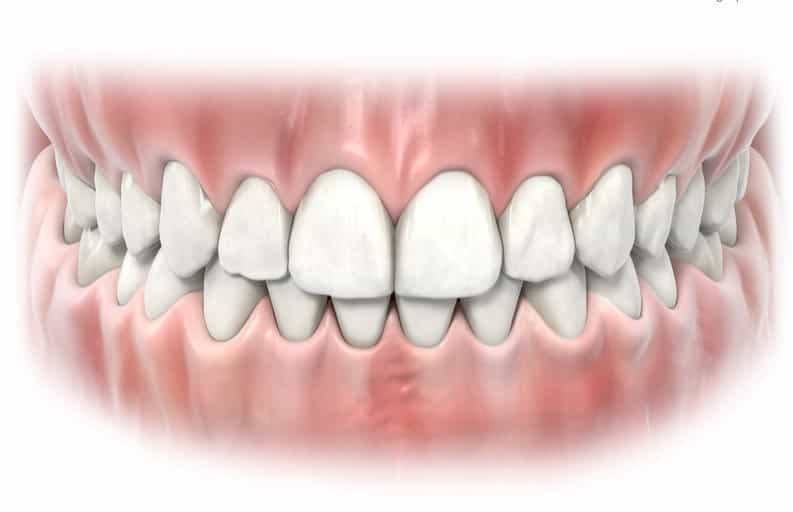
If you have receding gums, you may be wondering whether veneers can help. This page explains what gum recession is, how it relates to veneers, and what treatment options are available.
What Is Gum Recession?
Gum recession occurs when the gum tissue pulls away from the teeth, exposing more of the tooth surface or the tooth root. This can increase sensitivity to hot and cold temperatures, raise the risk of cavities on the exposed root surfaces, and affect the appearance of the teeth.
Common causes of gum recession include brushing too hard or using a hard-bristled toothbrush, periodontal (gum) disease, hormonal changes, ageing, genetics, teeth grinding, and certain medical conditions.
If you notice your gums receding, book a dental check-up so your dentist can assess the cause and recommend appropriate treatment.
Can Veneers Treat Gum Recession?
Veneers do not treat gum recession. Gum recession is a medical/periodontal condition that requires treatment of the underlying cause — such as addressing gum disease, improving brushing technique, or surgical gum grafting to restore lost tissue.
Veneers are cosmetic shells placed on the front surface of teeth. In some limited cases, after gum recession has been treated and stabilised, veneers may be used to address cosmetic concerns related to the appearance of the teeth — for example, covering exposed root surfaces or adjusting the appearance of teeth that appear elongated due to gum recession.
However, veneers cannot restore lost gum tissue, cannot treat gum disease, cannot reduce gum inflammation, and cannot prevent further gum recession or tooth loss. Placing veneers on teeth with untreated gum recession can worsen the condition.
What Should You Do If You Have Receding Gums?
The first step is a dental examination to determine the cause of the recession. Treatment options for gum recession include:
Improving oral hygiene techniques (using a soft-bristled toothbrush, gentle brushing)
Professional dental cleaning to remove plaque and tartar
Scaling and root planing for gum disease
Gum grafting surgery, where tissue is taken from another area (usually the roof of the mouth) and attached to the area where gums have receded
Addressing contributing factors such as teeth grinding (with a night guard) or smoking
Your dentist or periodontist will recommend the appropriate treatment based on the cause and severity of your gum recession. All surgical treatments carry risks including pain, swelling, infection, and the possibility that the procedure may not fully resolve the recession. Your dentist will discuss all risks before recommending treatment.
When Might Veneers Be Considered?
Veneers may be considered only after gum recession has been treated and your gums are healthy and stable. In this situation, veneers could be used to address cosmetic concerns about the appearance of the teeth. Your dentist will assess whether veneers are appropriate for your case.
Veneers are not appropriate if you have active gum disease, untreated gum recession, or inadequate gum and bone support for the teeth.
Risks of Veneer Treatment
All dental treatments carry risks. Risks of veneer treatment include tooth sensitivity during and after preparation; the irreversible removal of natural enamel (for porcelain veneers), meaning the teeth will always require veneers or another restoration; the possibility of veneers chipping, cracking, debonding, or failing over time; colour mismatch over time; the potential need for root canal treatment if the nerve is affected during preparation; and the need for eventual replacement. Veneers placed on teeth with compromised gum support carry additional risk of failure.
Your dentist will discuss all risks specific to your case before treatment.
For full information about risks and potential side effects, please visit our treatment risks page: https://www.gorgeoussmiles.com.au/treatment-risks/
Aftercare
If veneers are placed after gum recession treatment, ongoing care is essential. Brush twice daily with a soft-bristled toothbrush, floss daily, attend dental check-ups every six months, avoid biting hard objects, and if you grind your teeth, use a night guard. Avoid smoking, as it increases the risk of gum disease and gum recession.
Book a Consultation
If you have receding gums and are considering your treatment options, a consultation is the appropriate starting point. Your dentist will assess the cause and severity of your gum recession, discuss treatment options for the recession itself, and advise whether veneers may be appropriate after the underlying condition has been addressed. Your dentist will discuss all risks before any treatment begins.
For full information about treatment risks, please visit: https://www.gorgeoussmiles.com.au/treatment-risks/
Gorgeous Smiles Melbourne CBD | 121 Exhibition St | Book online or call (03) 9042 0483